50g
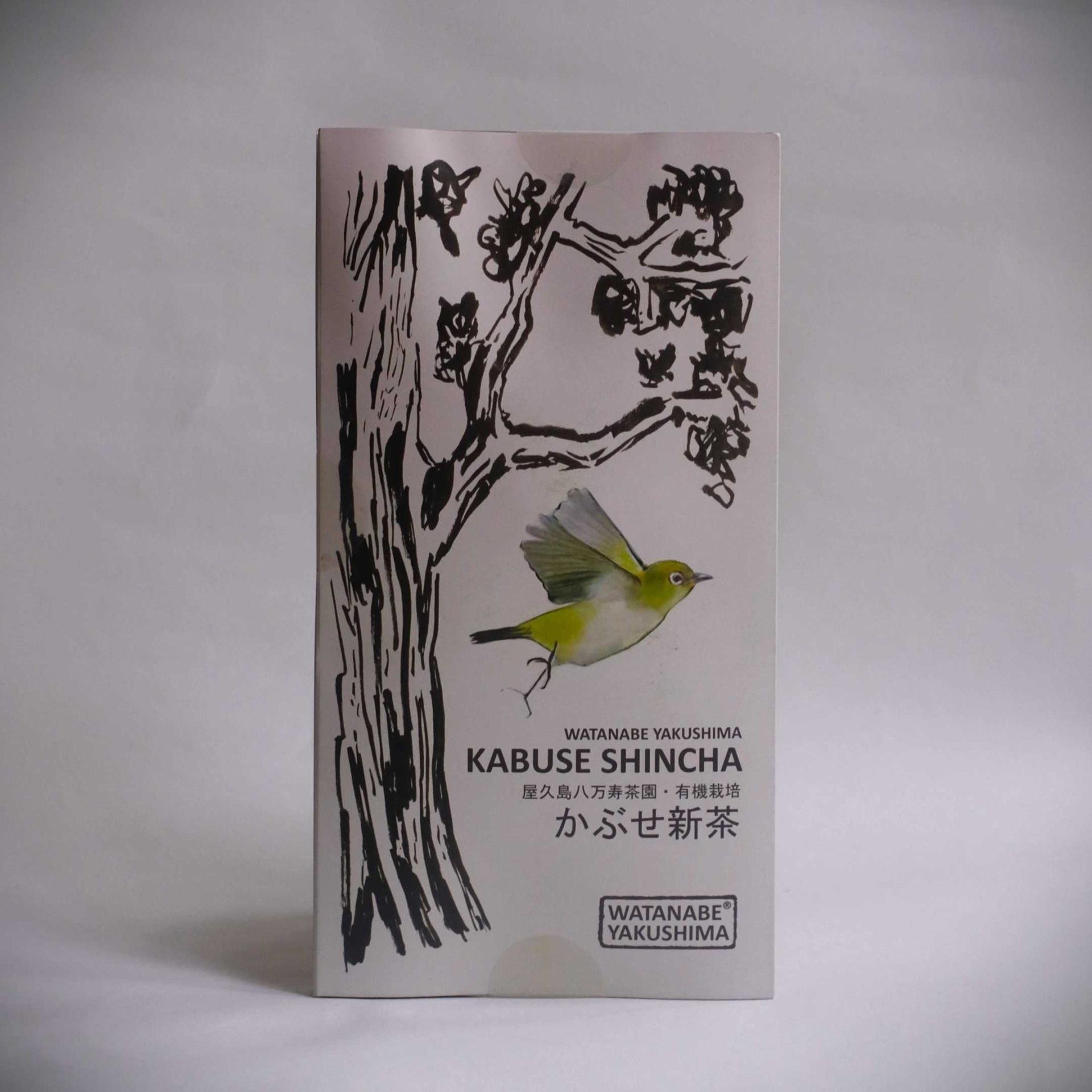
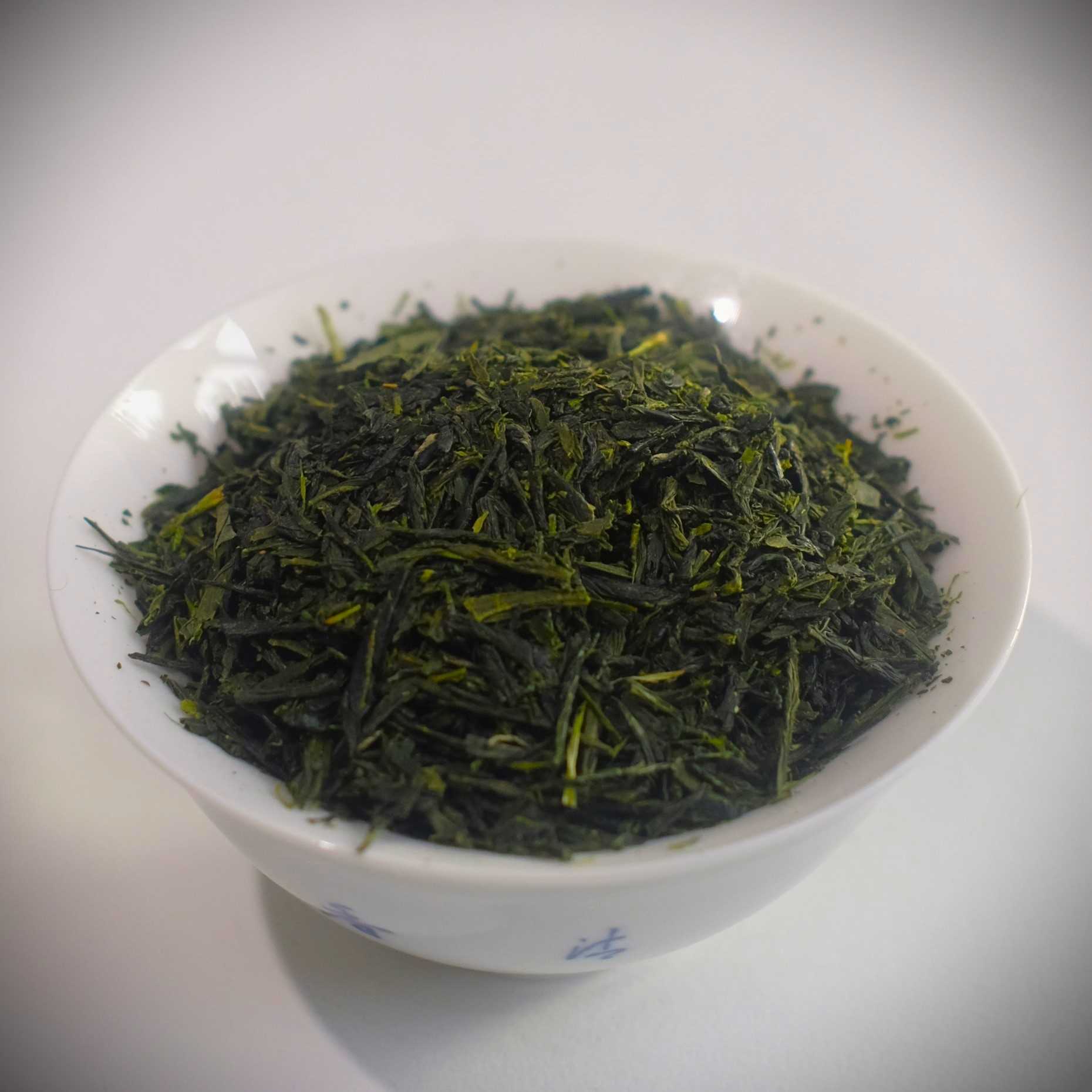
Kabuse Shincha translates as “shaded new tea” and refers to green tea made with the freshest first flush leaves of the year. This one, grown under shade for added smoothness, sweetness and umami, was produced on Watanabe family farm on Yakushima Island, southern Japan, without the use of chemical pesticides or fertiliser.
This is a true rari-tea. Grab it now while it’s still in stock!
Scroll down for more info…
£19.00
1 in stock
Kabuse Shincha translates as “shaded new tea” and relates to green tea made with the freshest first flush leaves of the year. This one, grown under shade for added smoothness, sweetness and umami, was produced on the Watanabe family farm on Yakushima Island, southern Japan.
The History of Shincha
Traditionally, before such modern innovations as cold storage, shincha season was greatly anticipated as the only time to get teas at their freshest. A great fuss was made over attempting to produce them by Hachijuhachiya, the 88th day of Spring according to the old Japanese calendar, usually falling around the start of May. Even now, many producers do their best to coax their plants to hit their ideal tasting point in time to be available for this auspicious day. This is a difficult process to get right and relies on a combination of well-honed instinct and region-specific techniques passed down the generations, as the window between the buds being at their tastiest and most nutritious, but not having had their character altered by the weather changing, can be as narrow as a couple of hours!
While we are now lucky enough to be able to get fresh-tasting teas all year round, there are certain unstable aromatic compounds in tea leaves that die off quickly. Shincha, which simply refers to first flush sencha that is processed and shipped directly without going into cold storage, is therefore still considered a unique tasting experience for the connoisseur.
The teas tend to taste sweet, aromatic, smooth, fresh and grassy, and have been described as “like fresh rain in a green forest.” They also have plenty of body and strong umami elements from their high amino acid content, but with less bitterness and astringency than later-picked teas.
Shincha and Health
As tea bushes naturally store up nutrients over the Winter months, chlorophyll and amino acids like L-theanine are found in considerably higher quantities in shincha than in teas from later in the year.
The high chlorophyll content leads to a deep green colour in the cup, and it has had numerous health-giving properties attributed to it, including cancer prevention, boosting of red blood cells and combatting acne and body odour.
L-theanine, as well as lending the leaves a pleasantly sweet taste, is associated with improved mental focus and sleep quality. It has shown promise in combatting anxiety and stress, and appears to help the immune system fight off colds, flus and other respiratory conditions.
Conversely, shinchas have had less time to build up their caffeine and catechin contents, which means they are less bitter and astringent than other teas. Their higher theanine content compared to caffeine means that shinchas create a more relaxed alertness than drinks with more caffeine. The amino acid content also results in a strong umami taste and an almost brothy consistency in the cup.
Finally, shinchas are picked before the weather is warm enough for there to be many insects around, so generally don’t come into contact with many pesticides. Our Kabuse Shincha Watanabe Yakushima comes from a family-run plantation that uses entirely chemical pesticide free agriculture.
The Watanabe Family Plantation
Yakushima is a sparsely populated and extremely remote island in southern Japan, around 140km off the south coast of Kyushu. Much of the island is taken up by volcanic mountains, such as the 1900m high Miyanoura-Dake, the highest point in Kyushu region. Yakushima’s flora and fauna includes macaque monkeys, tiny yaku-sika deer, egg-laying sea turtles and 7,000-year-old cedar trees, believed to be the world’s oldest! All this has resulted in the island being named a UNESCO World Heritage Site.
Despite its relatively large size, the brutal topology of Yakushima means that it only sustains a resident population of around 11,500 people. However, the mineral-rich soil and humid, sub-tropical, wet climate (described by the celebrated feminist author Fumiko Hayashi as raining 35 days a month) are perfect for tea-growing, so that a small number of enterprising producers have been able to establish themselves on the narrow strip of farmable land around the coastline.
Our shincha comes from the Watanabe family farm on the island. As some of the most southernly producers in Japan, they are amongst the first to produce a batch of shincha from their first flush buds each year, with some of their bushes ready to harvest as early as the end of March!
It is a true family business, as the founder, Mankichi Watanabe works closely with his son Keita and his wife, now returned to Yakushima from Tokyo. They have helped achieve biodiversity in their gardens by using a wide variety of tea cultivars, some of which, like Asatsuyu, Sae Midori and Kuritawase, are quite rare (Yabukita bushes, which make up the bulk of Japan’s tea production, play a relatively minor role here). Our shincha is made using small amounts of these three varieties, producing only 25kg each year.
Rather than using pesticides, the Watanabes follow a method of shizen saibai, or “natural cultivation”. All of their teas are produced on site in their small tea factory, within walking distance of all of the fields. They concentrate on ensuring that they have strong, healthy tea plants with root systems that go deep into the soil. They allow local grasses, reeds and clover to grow in and around the tea fields, only weeding by hand when the time comes to harvest the teas. This helps create a natural environment welcoming to insects. Any vegetation trimmed from the edges of the fields is used along with leftover tea leaves to make natural fertiliser, and mulch to help keep the soil moist. This focus on hyperlocal production, intricately connected to the island’s natural balance, leads to teas that have a taste all of their own, said to differ markedly even from those grown in Chiran, a short boat journey away on Kyushu.
1 in stock